October 9, 2026
Dogs rely on their owners to recognize when something is wrong, but many health concerns do not cause obvious symptoms during their earliest stages. A dog may continue eating, playing, and behaving normally even while a medical issue is developing. Regular veterinary checkups provide opportunities to evaluate a dog’s overall condition before subtle concerns become more noticeable or difficult to manage.
Routine wellness visits also help establish a consistent picture of a dog’s health over time. When a local veterinarian regularly examines the same pet, changes in weight, behavior, mobility, dental health, skin condition, and other areas can be easier to recognize. This ongoing attention supports preventive care and gives pet owners an opportunity to discuss questions about their dog’s changing needs throughout every stage of life.
Supporting Early Detection of Health Concerns
One of the most important benefits of routine veterinary care is the opportunity to identify potential health concerns early. Dogs cannot explain that something feels different, and instinct may cause some animals to conceal signs of discomfort. As a result, owners may not recognize a developing problem until symptoms become more noticeable.
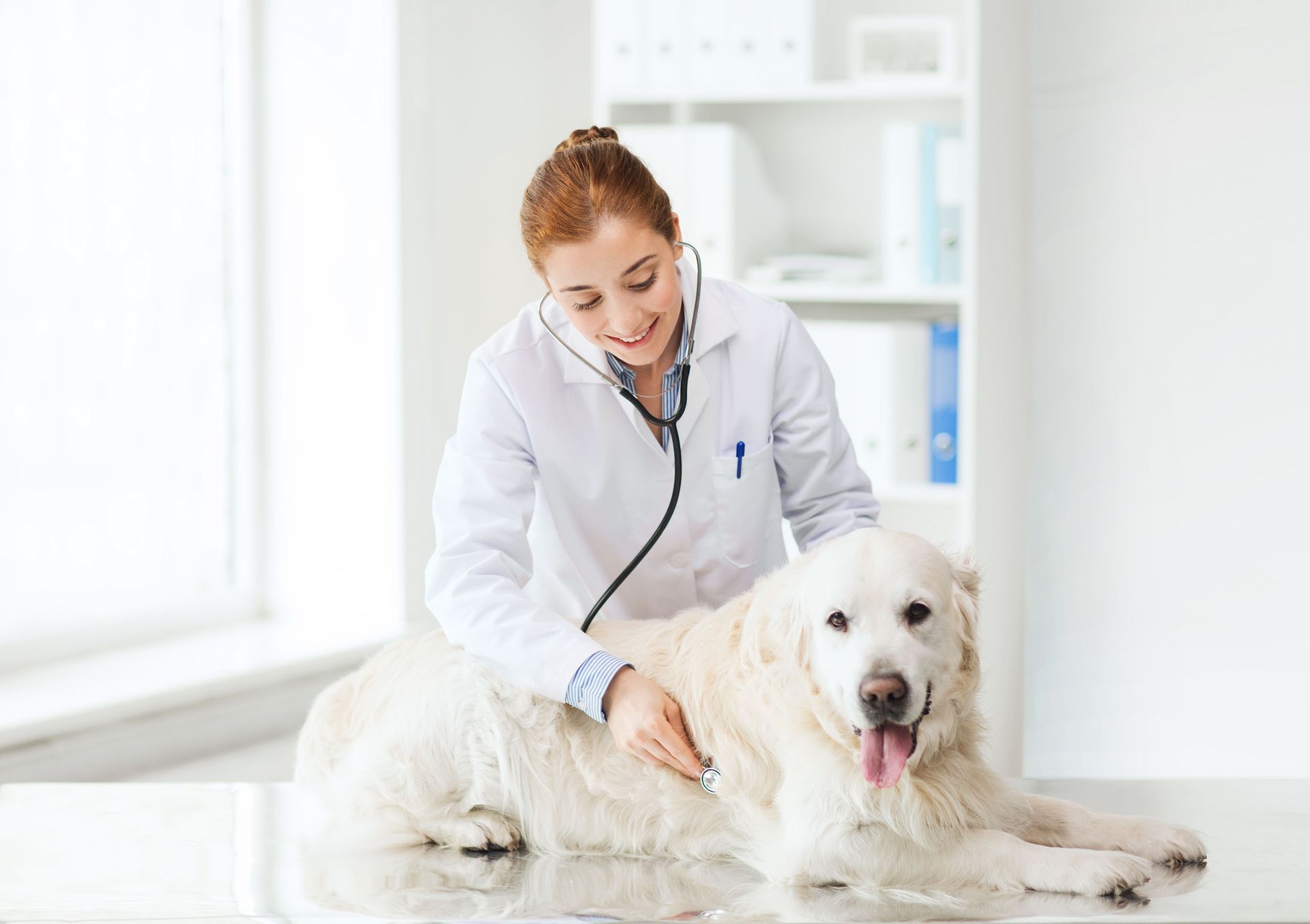
During a wellness examination, a local veterinarian can assess different aspects of a dog’s physical condition and look for changes that may warrant additional attention. The examination may reveal concerns involving the skin, coat, eyes, ears, mouth, joints, heart, lungs, or other areas. Even seemingly minor changes can provide useful information when considered alongside the dog’s medical history and normal behavior.
Establishing Consistent Health Records Over Time
A single veterinary appointment provides useful information, but consistent checkups create a broader health history. Records from routine visits can document changes in weight, physical condition, medications, preventive care, previous illnesses, and other important factors. This information can become especially valuable as a dog ages or develops new health needs.
Working consistently with a local veterinarian allows veterinary professionals to compare current findings with information gathered during previous appointments. A change that might appear insignificant on its own may become more meaningful when viewed as part of a pattern. Gradual weight changes, recurring skin irritation, shifting activity levels, or changes in oral health may be easier to recognize when accurate records are available.
Maintaining Preventive Care Throughout Life
Preventive veterinary care changes as dogs move through different life stages. Puppies have different needs from adult dogs, while older dogs may require additional attention to age-related changes. Routine appointments allow preventive recommendations to evolve along with the animal.
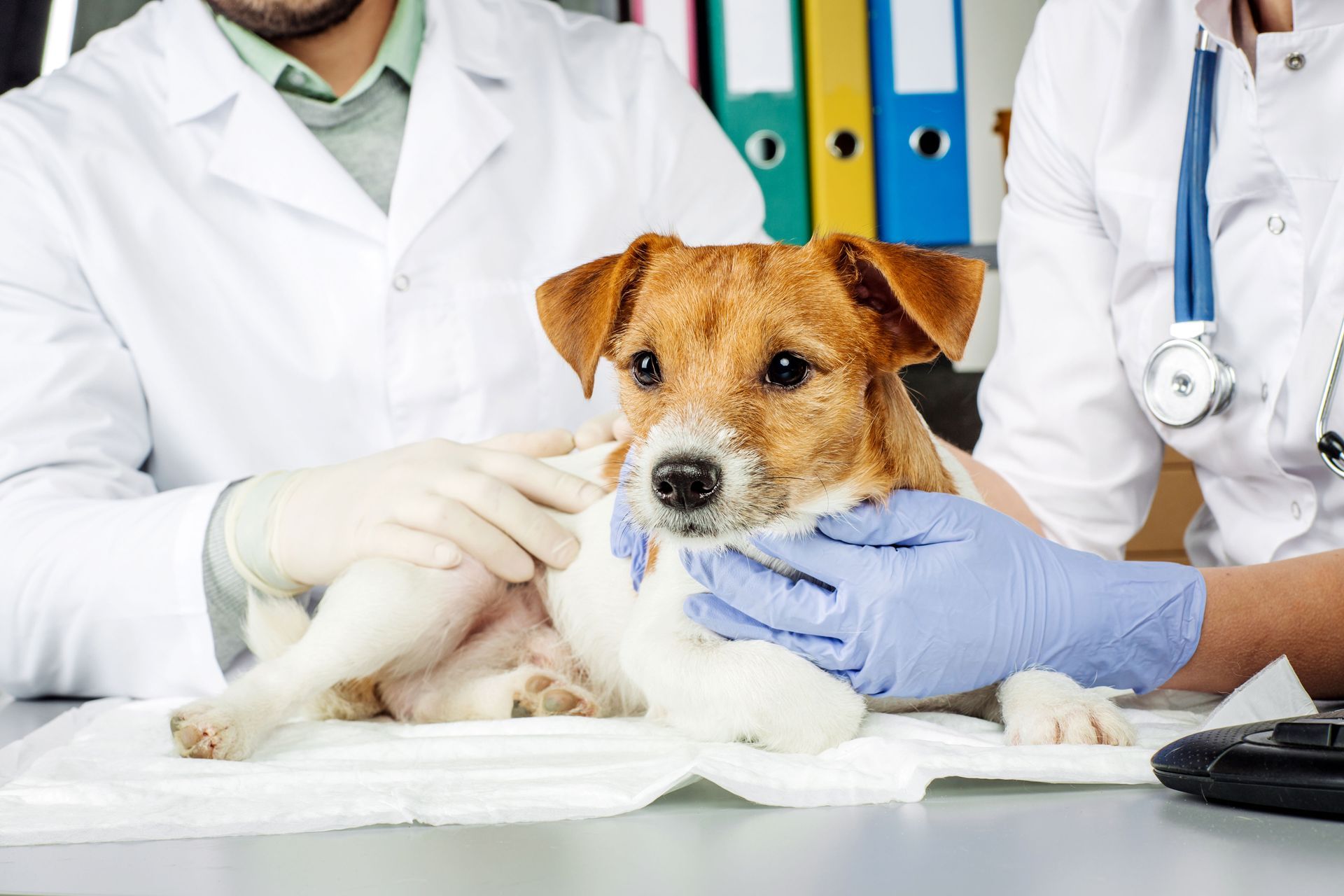
Early veterinary care is particularly important for establishing a healthy foundation. According to the American Animal Hospital Association, most puppies should have their first veterinary visit at six to eight weeks old for a checkup, vaccinations, and parasite treatments or preventatives. These early appointments begin an ongoing relationship with veterinary care and allow owners to receive guidance appropriate to a growing puppy.
As a dog matures, a local veterinarian can continue evaluating preventive needs based on factors such as lifestyle, medical history, environment, and general health. Vaccination needs, parasite prevention, nutrition, dental care, and other considerations may change over time. Regular appointments create opportunities to review these areas instead of relying on recommendations that may no longer reflect the dog’s current circumstances.
Monitoring Changes in Weight and Nutrition
A dog’s nutritional needs are not necessarily constant throughout life. Growth, activity level, body condition, health concerns, and aging can all influence what type and amount of food may be appropriate. Routine veterinary checkups provide opportunities to discuss these changes and evaluate whether a dog’s current nutrition supports overall health.
Weight alone does not always provide a complete picture. Veterinary professionals can consider body condition, muscle condition, lifestyle, and other factors when evaluating a dog’s nutritional status. Gradual weight gain or loss may be difficult for an owner to notice because the change occurs slowly. Regular examinations can make those trends easier to identify.
A local veterinarian can also help owners understand whether changes in appetite or weight deserve additional evaluation. These changes can sometimes be related to routine lifestyle factors, but they may also accompany underlying medical concerns. Discussing them during veterinary appointments allows the dog’s individual situation to be considered rather than treating nutrition as a one-size-fits-all issue.
Protecting Dental and Oral Health
Dental health is an important part of a dog’s overall wellness, yet changes inside the mouth can be easy to overlook. Owners may notice bad breath or changes in chewing, but other signs of oral disease may not be immediately apparent. Routine veterinary examinations provide an opportunity to assess the mouth, teeth, and gums for visible concerns.
A local veterinarian can evaluate a dog’s oral condition and recommend appropriate professional care when needed. These discussions also allow dental health to be considered alongside the dog’s broader medical history. Rather than viewing oral care as an isolated concern, routine checkups make it part of comprehensive preventive health management.
Tracking Mobility and Behavioral Changes
Changes in movement and behavior can develop gradually, particularly as dogs grow older. An animal may become less enthusiastic about certain activities, move more slowly, hesitate before jumping, or spend more time resting. Because these changes can occur little by little, owners may not immediately recognize their significance.
Routine appointments create opportunities to discuss these observations. A local veterinarian can evaluate mobility and physical condition while considering whether behavioral changes may be connected to discomfort, aging, environmental factors, or another health concern. Veterinary examinations can also help distinguish expected changes from those that deserve closer attention.
Adapting Care as Dogs Grow Older
Aging affects dogs in different ways, and there is no single pattern that applies to every animal. Genetics, size, breed, lifestyle, previous health concerns, and other factors can influence how a dog’s needs change. Routine veterinary care allows recommendations to remain responsive to the individual dog rather than being based only on age.
As dogs mature, health discussions may increasingly focus on mobility, body condition, organ function, dental health, sensory changes, and daily comfort. Regular checkups can help establish whether changes are occurring gradually and whether further evaluation may be appropriate.
Maintaining a relationship with a local veterinarian throughout a dog’s life also means there is an established medical history available when new concerns arise. Familiarity with previous examinations and health patterns can provide valuable context. This continuity becomes increasingly useful when a dog’s medical needs become more complex with age.
Strengthening Communication About Everyday Health
Veterinary checkups are not limited to addressing obvious illness. They also give owners dedicated time to ask questions about everyday health concerns that may otherwise go unaddressed. Topics can include appetite, exercise, grooming, behavior, preventive medications, dental health, changes in routine, and other aspects of a dog’s well-being.
Owners often notice small changes at home before those changes are visible during an examination. Sharing those observations can help veterinary professionals understand what is happening outside the clinic. In turn, veterinary guidance can help owners determine which changes deserve monitoring and which may require additional attention.
Regular communication with a local veterinarian helps create a collaborative approach to care. Owners provide important knowledge about their dog’s daily behavior, while veterinary professionals contribute medical expertise and examination findings. Together, that information supports decisions based on the individual dog’s current condition and history.
Promoting Lifelong Wellness Through Regular Care
Routine veterinary checkups provide much more than an opportunity to address immediate illness. They support early detection, preventive care, consistent health records, nutritional monitoring, dental evaluations, mobility assessments, and ongoing communication about changes at home. By making wellness visits part of a dog’s regular care, owners can remain better informed about evolving health needs.
Consistent veterinary attention is especially valuable because dogs change throughout their lives. What is appropriate for a growing puppy may not be suitable for an adult or aging dog. Regular examinations allow care recommendations to change along with the animal while creating a detailed health history that can guide future decisions.
At Gambrills Veterinary Center, we understand how important ongoing care is to your dog’s long-term well-being. Our team is here to help you monitor changes, address concerns, and make informed decisions about preventive veterinary care. Contact us to schedule a wellness appointment and learn how we can support your dog through every stage of life.